


Neck pain is one of the most common reasons people look for osteopathic treatment. It is rarely just about the neck itself. Long hours at a desk, looking down at a phone, poor sleeping positions, old whiplash injuries, and general stress all show up as tightness through the neck and upper shoulders.
Why does neck pain often start somewhere else?
The neck sits at the top of the spine. It connects directly to the jaw, shoulders, and upper back. Because of that, problems there often start elsewhere. For example, rounded shoulders from sitting all day can pull the neck out of its natural position. The pain feels local, but posture further down the chain is driving it.
How does osteopathic treatment help neck pain?
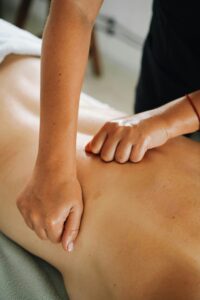
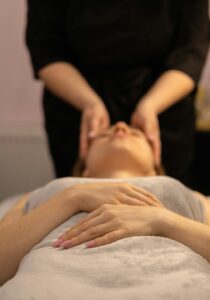
Osteopathic treatment looks at the bigger picture instead of only working on the sore spot. A practitioner checks how your neck, shoulders, upper back, and even your jaw move together. Then they use hands-on techniques to release tension, restore movement, and take pressure off the structures that are irritated.
What about neck pain from desk work?
Desk-based neck pain has become common enough that Mehrbod Atshani, the osteopath behind Elora Wellness, has written about it at length at his other clinic in Vancouver. He covers how osteopathy treats neck pain and how desk work drives it in the first place. The same posture-first approach carries through to treatment here in Richmond.
Does it matter how the pain started?
Not much. Whether neck pain showed up gradually from posture and stress, or suddenly from an injury, addressing the whole pattern tends to give more lasting relief than treating the neck alone. However, if you have severe pain after an accident, or numbness or weakness in an arm, see a doctor first.
Since the neck and the lower back share the same posture patterns, you may also find our post on lower back pain and osteopathic treatment helpful. You can also learn more about our osteopathy services.
For more information, you can email us, or book your appointment.


One Comment
Comments are closed.