
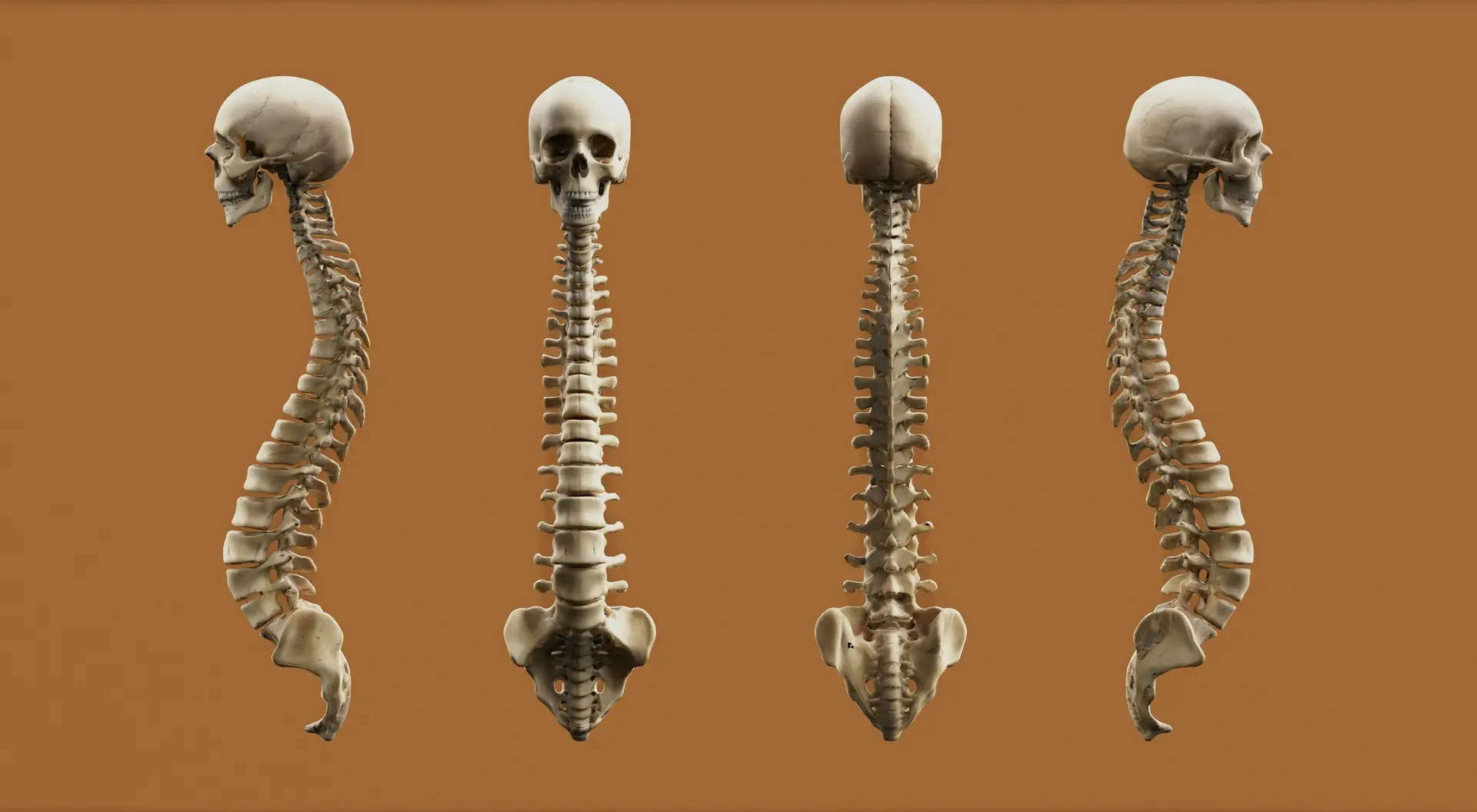

Osteopathy is a hands-on, whole-body approach to health that supports your body’s natural healing. It goes back roughly 150 years, and it was developed by physician Andrew Taylor Still. Its central idea is straightforward. The body is built to heal itself, and structure and function are deeply connected.
How does osteopathy support natural healing?
When something in the body’s structure is out of alignment, function suffers. Treatment works best when it restores that structure first. Once that happens, the body’s own healing processes can do the rest of the work.
What pulls the body out of alignment?
Every day, ordinary physical stress adds up. Poor posture, old injuries, repetitive movement, and even long periods of sitting gradually pull the body out of its natural alignment. A practitioner uses a detailed understanding of anatomy and movement to find where that alignment has been lost. Then they use manual techniques to help restore it.
Who can benefit from osteopathy?
This whole-body view means treatment can apply to nearly any part of the body, from jaw tension to hand and foot pain. Many people come in dealing with pain and looking for lasting relief. Others use it as ongoing wellness care to support energy and resilience. Athletes use it to stay ahead of injury and perform better. Older adults often turn to it to maintain range of motion, ease chronic discomfort, and support strength as they age.
Where can you learn more about the philosophy?
If you want the fuller picture, Mehrbod Atshani, the osteopath behind Elora Wellness, lays out the founding principles in more depth. You can read them on the “What is Osteopathy?” page at his other clinic, Best Osteopathy in Vancouver.
At its core, this approach is not about masking a symptom. It is about giving the body what it needs to do what it was already built to do.
If you are wondering what a session actually looks like, see our post on what to expect at your first visit, or explore our services.
For more information, you can email us, or book your appointment.